
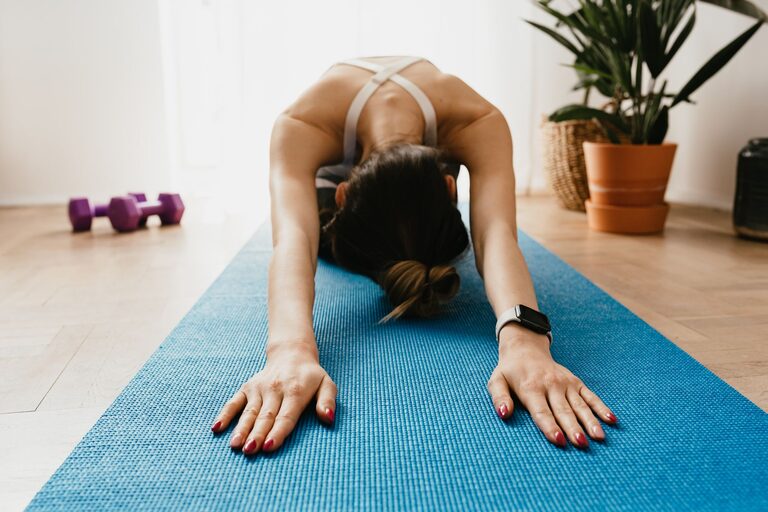
Stretching is a simple yet powerful way to enhance your physical health and mental well-being. Whether you want to improve flexibility, reduce muscle tension, or prepare your body for exercise, stretching at home can be a convenient and effective practice. This beginner’s guide will walk you through the basics of stretching, some easy routines you can try, and tips to help you get the most from your sessions.
Why Stretching Matters
Stretching helps to:
– Increase flexibility and range of motion
– Improve circulation to muscles
– Reduce the risk of injuries
– Relieve muscle stiffness and soreness
– Promote relaxation and reduce stress
Even a few minutes a day can make a noticeable difference.
Understanding Different Types of Stretching
Before you start, it’s useful to know the two main types of stretching:
1. Static Stretching
This involves holding a stretch for a period, usually 15-60 seconds. It’s great for cooling down after exercise or when you want to improve flexibility over time.
2. Dynamic Stretching
Dynamic stretches involve controlled movements that gently take your muscles through their full range of motion. These are ideal for warming up before physical activity.
For beginners at home, static stretching is often the easiest place to start.
Basic Guidelines for Safe Stretching
To make sure your stretching routine is effective and injury-free, keep the following in mind:
– Warm up a little before you stretch (e.g., march in place or do light walking for 3-5 minutes).
– Breathe deeply and consistently; avoid holding your breath.
– Stretch to the point of mild tension, not pain.
– Hold static stretches for 20-30 seconds initially, and gradually increase the duration.
– Avoid bouncing or jerking movements.
– Stretch both sides of your body evenly.
– Stay consistent and stretch regularly for best results.
Essential Stretching Exercises for Beginners
Here are some easy stretches you can do at home without any equipment. Aim to include them in your routine 3-4 times a week.
Neck Stretch
– Sit or stand tall.
– Slowly tilt your head toward your right shoulder until you feel a gentle stretch on the left side of your neck.
– Hold for 20-30 seconds.
– Repeat on the other side.
Shoulder Stretch
– Bring your right arm across your body.
– Use your left hand to gently press your right arm closer to your chest.
– Hold for 20-30 seconds.
– Switch arms.
Chest Opener
– Clasp your hands behind your back.
– Straighten your arms and gently lift your hands upward.
– Open your chest and look slightly upward.
– Hold for 20-30 seconds.
Cat-Cow Stretch (Spine Mobility)
– Start on your hands and knees in a tabletop position.
– Inhale, arch your back, lifting your head and tailbone (Cow position).
– Exhale, round your spine, tucking your chin and tailbone (Cat position).
– Repeat slowly for 5-8 breaths.
Seated Hamstring Stretch
– Sit on the floor with one leg extended straight.
– Bend the other leg so the sole of the foot rests against the inner thigh of the extended leg.
– Lean forward gently from the hips toward the extended foot.
– Hold for 20-30 seconds.
– Switch legs.
Quadriceps Stretch
– Stand on one leg, holding onto a wall or chair for balance if needed.
– Grab your ankle behind you with the same-side hand.
– Pull your heel gently toward your buttocks.
– Keep your knees close together.
– Hold for 20-30 seconds.
– Switch legs.
Calf Stretch
– Stand facing a wall about an arm’s length away.
– Step your right foot back and press your heel into the floor.
– Keep the back leg straight and bend the front knee.
– Hold for 20-30 seconds.
– Switch legs.
Creating Your Stretching Routine
Consistency is key. Here’s a simple example of a 10-15 minute routine you can do daily or on most days:
- Warm up with 3-5 minutes of light movement.
- Neck stretch – 30 seconds each side.
- Shoulder stretch – 30 seconds each arm.
- Chest opener – 30 seconds.
- Cat-Cow stretch – 5-8 breaths.
- Seated hamstring stretch – 30 seconds each leg.
- Quadriceps stretch – 30 seconds each leg.
- Calf stretch – 30 seconds each leg.
Feel free to adjust the time and add or remove stretches depending on how you feel and your goals.
Tips to Stay Motivated
– Set a specific time each day for stretching, like after waking up or before bed.
– Use a yoga mat or comfortable surface.
– Combine stretching with calming music or deep breathing.
– Track your progress and notice how your body feels over time.
– Invite a family member or friend to join you.
When to Be Cautious
If you have any existing injuries, chronic pain, or medical conditions, check with a healthcare professional before starting a new stretching routine. Stop if you feel sharp pain or dizziness during any stretch.
Final Thoughts
Stretching at home is an accessible way to improve your flexibility, reduce stress, and support your overall health. By starting with these simple techniques and incorporating them regularly, you can enjoy greater comfort and mobility every day.
Give it a try today – your body will thank you!